



Table of Contents
Introduction
For many people in Solapur, sitting on the floor is a part of everyday life. Whether it is sitting cross-legged during family meals, participating in religious activities, attending social gatherings, or using traditional Indian toilets, floor sitting remains deeply integrated into Indian culture.
But what happens when something as simple as sitting on the floor becomes painful?
Many patients visiting Dr. Nikhil Gadre report symptoms such as hip pain while sitting cross-legged, difficulty getting up from the floor, groin pain while walking, or discomfort while using an Indian toilet. Unfortunately, most people ignore these warning signs until the pain becomes severe.
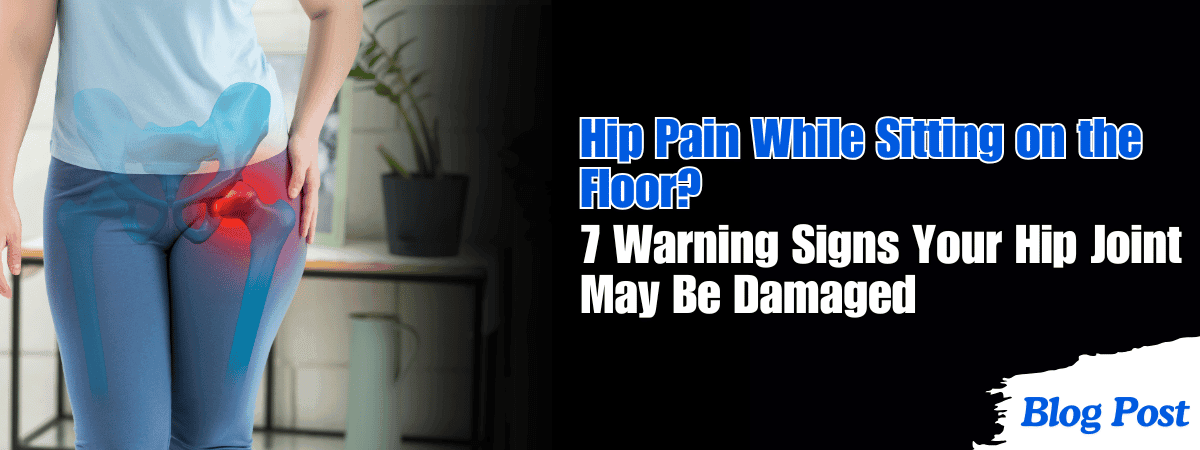
If you are experiencing Hip Pain While Sitting on the Floor Solapur, your body may be warning you about underlying hip joint damage that requires professional attention.
In this comprehensive guide, we will discuss:
- Why hip pain develops
- Common causes of hip joint damage
- Seven warning signs you should never ignore
- Treatment options available
- When hip replacement surgery becomes necessary
- How early intervention can help avoid major surgery
Understanding the Hip Joint
The hip joint is one of the strongest and most important joints in the human body.
It is a ball-and-socket joint where:
- The ball (femoral head) sits at the top of the thigh bone
- The socket (acetabulum) is part of the pelvis
This design allows smooth movement during:
- Walking
- Running
- Climbing stairs
- Sitting cross-legged
- Squatting
- Using Indian toilets
When the cartilage covering the joint begins to wear out or blood supply to the hip bone becomes compromised, movement becomes painful and restricted.
For a detailed understanding of hip anatomy and replacement surgery, read:
Understanding the importance of the hip joint and total hip replacement surgery
Why Is Hip Pain Becoming More Common in Younger Adults?
Traditionally, hip joint damage was considered a condition affecting elderly individuals.
However, Dr. Nikhil Gadre has observed a growing number of patients in their 30s and 40s presenting with severe hip problems.
Some common reasons include:
Osteoarthritis
Progressive wear and tear of cartilage can lead to chronic hip pain and stiffness.
Learn more about arthritis-related joint damage.
Avascular Necrosis (AVN)
One of the most concerning causes of hip damage.
AVN occurs when blood supply to the femoral head decreases, causing bone tissue death.
This condition became more common after COVID-19 due to extensive steroid usage in some patients.
Sports Injuries
Athletes and physically active individuals may develop hip injuries from repetitive strain.
Related reading:Sports injuries
Trauma and Accidents
Road traffic accidents can cause fractures around the hip joint.
Related services:
Osteoporosis
Weak bones increase the risk of fractures and hip joint deterioration.
Related blog:Osteoporosis treatment in solapur
7 Warning Signs Your Hip Joint May Be Damaged
1. Pain While Sitting Cross-Legged
This is often the earliest symptom.
Many patients first notice discomfort when:
- Sitting on the floor
- Attending religious functions
- Eating meals while seated traditionally
The pain may initially come and go but gradually becomes persistent.
If sitting cross-legged has become difficult, do not ignore it.
2. Pain While Getting Up From the Floor
One of the strongest indicators of early hip joint disease is pain while standing up after sitting on the floor.
Many patients describe:
- Sharp pain in the groin
- Deep pain inside the hip
- Stiffness after prolonged sitting
This symptom often suggests cartilage damage or early arthritis.
3. Difficulty Using an Indian Toilet
Using an Indian toilet requires significant hip flexion.
If you experience:
- Pain while squatting
- Difficulty standing back up
- Loss of balance
it may indicate underlying hip pathology.
This is particularly common among patients with AVN and osteoarthritis.
4. Groin Pain While Walking
Many people mistake hip pain for thigh or groin pain.
The hip joint often refers pain to:
- Groin
- Front of thigh
- Buttock region
Persistent groin pain should never be ignored.
5. Stiffness After Rest
Do you feel stiff when getting out of bed or after sitting for a long time?
Morning stiffness is a common symptom of joint degeneration.
Related reading:morning joint stiffness
Persistent stiffness may indicate:
- Osteoarthritis
- Inflammatory arthritis
- Early cartilage damage
6. Reduced Range of Motion
Can you no longer:
- Sit comfortably on the floor?
- Cross your legs?
- Bend forward easily?
Loss of flexibility often develops gradually and signals worsening hip damage.
Patients frequently adapt their lifestyle without realizing their hip mobility is decreasing.
7. Limping While Walking
When hip damage becomes significant, the body naturally tries to reduce weight-bearing on the painful side.
This causes:
- Limping
- Uneven walking pattern
- Lower back strain
- Knee pain
Ignoring limping can worsen joint degeneration and create additional problems in the spine and knees.
Why Early Diagnosis Is Important
One of the biggest mistakes patients make is waiting until pain becomes unbearable.
In many conditions such as AVN, X-rays may appear normal during early stages.
MRI scans can often detect damage much earlier.
Early diagnosis may allow:
- Lifestyle modifications
- Medications
- Physiotherapy
- Joint-preserving procedures
before a hip replacement becomes necessary.
Treatment Options for Hip Joint Pain
Lifestyle Modifications
Patients may benefit from:
- Weight management
- Activity modification
- Avoiding prolonged squatting
- Limiting floor sitting
Physiotherapy
Targeted exercises improve:
- Hip strength
- Flexibility
- Joint stability
Medications
Anti-inflammatory medications can provide temporary relief.
Injections
Certain patients benefit from image-guided injections to reduce inflammation.
Surgical Treatment
When joint damage becomes advanced, surgery may be the best option.
Learn more:Joint replacement hip knee shoulder
Hip Replacement Surgery
Modern hip replacement surgery provides:
- Excellent pain relief
- Improved mobility
- Better quality of life
- Long-term durability
How Do Doctors Diagnose Hip Joint Problems?
Accurate diagnosis is essential because hip pain can sometimes mimic other conditions such as lower back problems, sciatica, knee pain, or muscle injuries.
Dr. Nikhil Gadre typically evaluates patients through:
Detailed Clinical Examination
The doctor assesses:
- Location of pain
- Range of hip movement
- Walking pattern
- Muscle strength
- Joint stability
X-Rays
X-rays help identify:
- Osteoarthritis
- Joint space narrowing
- Bone deformities
- Fractures
- Advanced AVN
MRI Scan
MRI is particularly useful when:
- X-rays appear normal
- Early AVN is suspected
- Soft tissue injuries need evaluation
MRI can detect damage much earlier than conventional imaging.
Blood Tests
Certain patients may require tests to evaluate:
- Rheumatoid arthritis
- Inflammatory disorders
- Infection
- Vitamin D deficiency
Can Hip Pain Be Mistaken for Other Problems?
Absolutely.
Many patients initially believe their pain originates from:
- Lower back
- Groin muscles
- Thigh muscles
- Knee joints
In reality, the hip joint may be the true source.
This is why professional evaluation is important.
Patients suffering from nerve-related pain should also read:
Sciatica Treatment in Solapur
Slip Disc Treatment in Solapur
Understanding Spondylitis
When Should You Consult a Hip Replacement Specialist in Solapur?
Many patients postpone treatment because they assume hip pain is part of aging.
This misconception often results in:
- Progressive joint damage
- Reduced mobility
- Muscle weakness
- Increased need for surgery
You should consult a Hip Replacement Specialist Solapur immediately if you experience:
✅ Pain while sitting on the floor
✅ Difficulty getting up after sitting
✅ Groin pain while walking
✅ Stiffness lasting several weeks
✅ Reduced hip movement
✅ Persistent limping
✅ Difficulty using Indian toilets
Early intervention can often delay or prevent major surgery.
Is Hip Replacement Surgery Always Necessary?
No.
This is one of the biggest myths surrounding hip pain.
Many patients with early-stage disease can be treated successfully through:
- Physiotherapy
- Activity modification
- Medications
- Weight reduction
- Joint preservation procedures
However, once the cartilage is completely worn out or the femoral head collapses due to AVN, hip replacement may become the most effective solution.
Modern Hip Replacement Surgery: What Patients Should Know
Hip replacement surgery has evolved tremendously over the last decade.
Today’s procedures offer:
Smaller Incisions
Less tissue damage and faster recovery.
Better Implant Technology
Modern implants are designed to last for decades.
Early Mobilization
Many patients begin walking within a day after surgery.
Improved Function
Most patients return to:
- Walking comfortably
- Driving
- Climbing stairs
- Daily household activities
Learn more about joint replacement procedures.
Recovery After Hip Replacement Surgery
Recovery depends on:
- Patient age
- Overall health
- Bone quality
- Physiotherapy compliance
Most patients experience:
Week 1–2
- Reduced pain
- Assisted walking
Week 3–6
- Improved mobility
- Increased independence
Week 6–12
- Return to most daily activities
Long-Term
Patients often report:
- Significant pain relief
- Better sleep
- Improved quality of life
- Increased confidence
How to Protect Your Hip Joints
Preventing hip damage is always better than treating advanced disease.
Maintain Healthy Body Weight
Excess weight increases pressure on the hip joint.
Stay Active
Low-impact activities such as:
- Walking
- Swimming
- Cycling
help maintain joint health.
Avoid Smoking
Smoking can reduce blood supply to bones.
Ensure Adequate Calcium and Vitamin D
Healthy bones support healthy joints.
Address Pain Early
Never ignore persistent hip discomfort.
The earlier the diagnosis, the better the outcome.
Why Patients in Solapur Trust Dr. Nikhil Gadre
Dr. Nikhil Gadre is one of the leading orthopedic surgeons in Solapur with expertise in:
- Hip Replacement Surgery
- Knee Replacement Surgery
- Arthroscopy
- Sports Injury Management
- Trauma Surgery
- Complex Joint Reconstruction
Patients benefit from:
✔ Advanced surgical techniques
✔ Modern implant technology
✔ Personalized treatment plans
✔ Comprehensive rehabilitation guidance
Learn more:Why Dr Nikhil Gadre is the best orthopedic surgeon in Solapur
Related Orthopedic Conditions You Should Not Ignore
Hip pain is often associated with other orthopedic problems.
Explore these helpful resources:
Knee Pain and Osteoarthritis
Knee Pain in Women
Persistent Knee and Ankle Swelling
Shoulder Pain and Frozen Shoulder
Rotator Cuff Treatment
Tennis Elbow Treatment
Carpal Tunnel Treatment
Conclusion
If you are experiencing Hip Pain While Sitting on the Floor Solapur, do not ignore it.
Pain while sitting cross-legged, difficulty getting up from the floor, groin discomfort, limping, or trouble using an Indian toilet may indicate early hip joint damage. Many serious hip conditions—including arthritis and avascular necrosis—can be treated more effectively when diagnosed early.
The good news is that modern orthopedic care offers numerous solutions ranging from physiotherapy and lifestyle modification to advanced hip replacement surgery when required.
If you are experiencing any of the warning signs discussed in this article, schedule a consultation before the condition worsens.
Book an Appointment
Take the first step toward a pain-free and active life.
Consult Dr. Nikhil Gadre, leading orthopedic surgeon and Hip Replacement Specialist in Solapur, for expert diagnosis and personalized treatment.
Book appointment.
FAQs
1. Why do I experience hip pain while sitting on the floor?
Hip pain while sitting on the floor often occurs due to arthritis, avascular necrosis (AVN), cartilage damage, muscle tightness, or early hip joint degeneration.
2. Is hip pain while using an Indian toilet normal?
No. Persistent pain while squatting or using an Indian toilet may indicate underlying hip joint damage that requires medical evaluation.
3. Can young adults develop serious hip problems?
Yes. AVN, sports injuries, trauma, and steroid-related complications can affect individuals even in their 20s and 30s.
4. How is hip joint pain diagnosed?
Diagnosis usually involves clinical examination, X-rays, MRI scans, and sometimes blood tests to identify the exact cause.
5. Can hip pain improve without surgery?
Many patients improve with physiotherapy, medications, activity modification, and lifestyle changes if diagnosed early.
6. When is hip replacement surgery recommended?
Hip replacement is usually recommended when severe pain, stiffness, and joint damage significantly affect daily activities and non-surgical treatments no longer provide relief.
7. How long do modern hip replacements last?
Modern implants often last 20–30 years or longer depending on implant type, patient activity levels, and overall health.
8. Who is the best Hip Replacement Specialist in Solapur?
Patients seeking advanced hip replacement surgery and comprehensive orthopedic care often consult Dr. Nikhil Gadre, a leading orthopedic surgeon and joint replacement specialist in Solapur.
Add a Comment